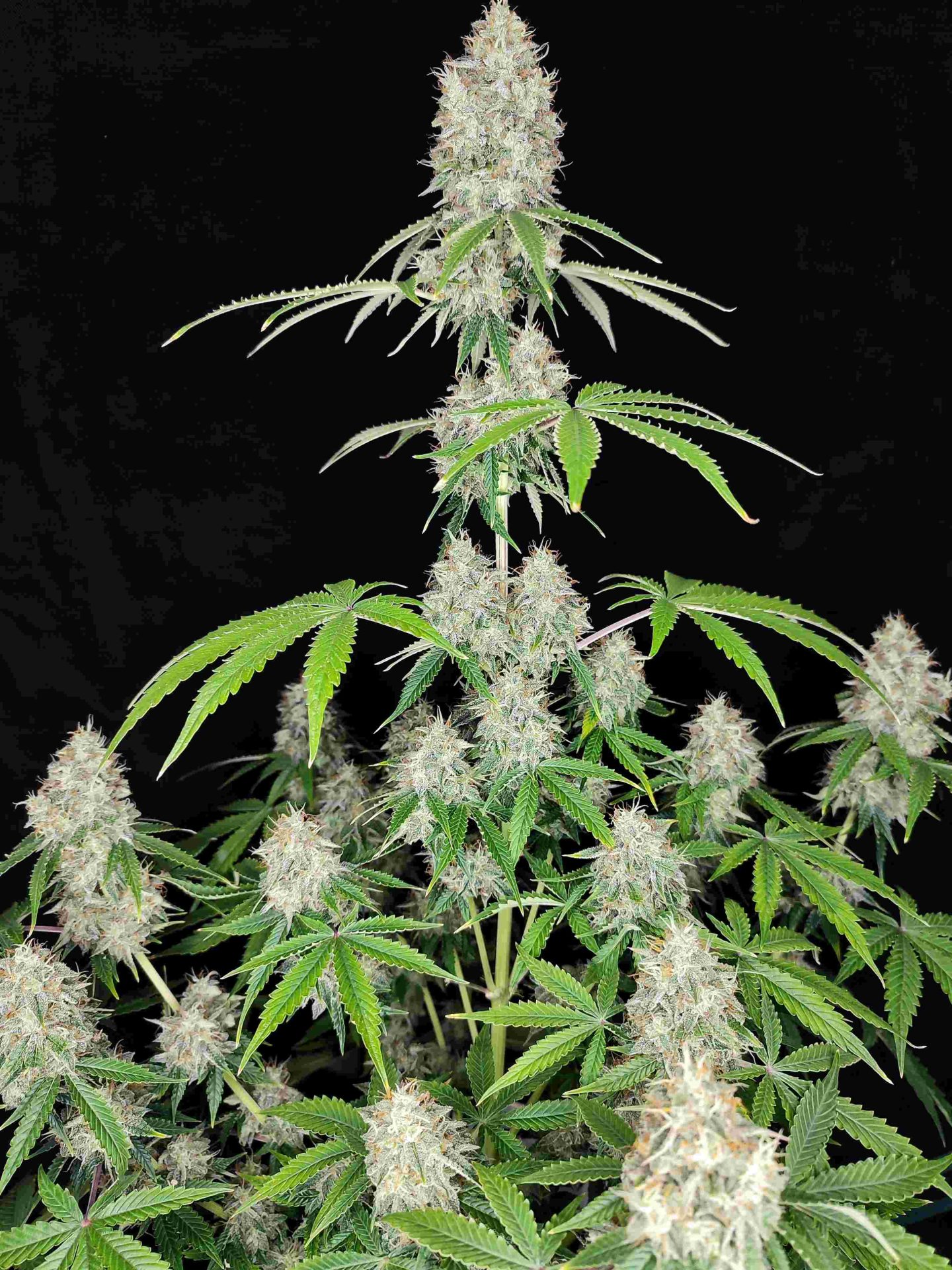
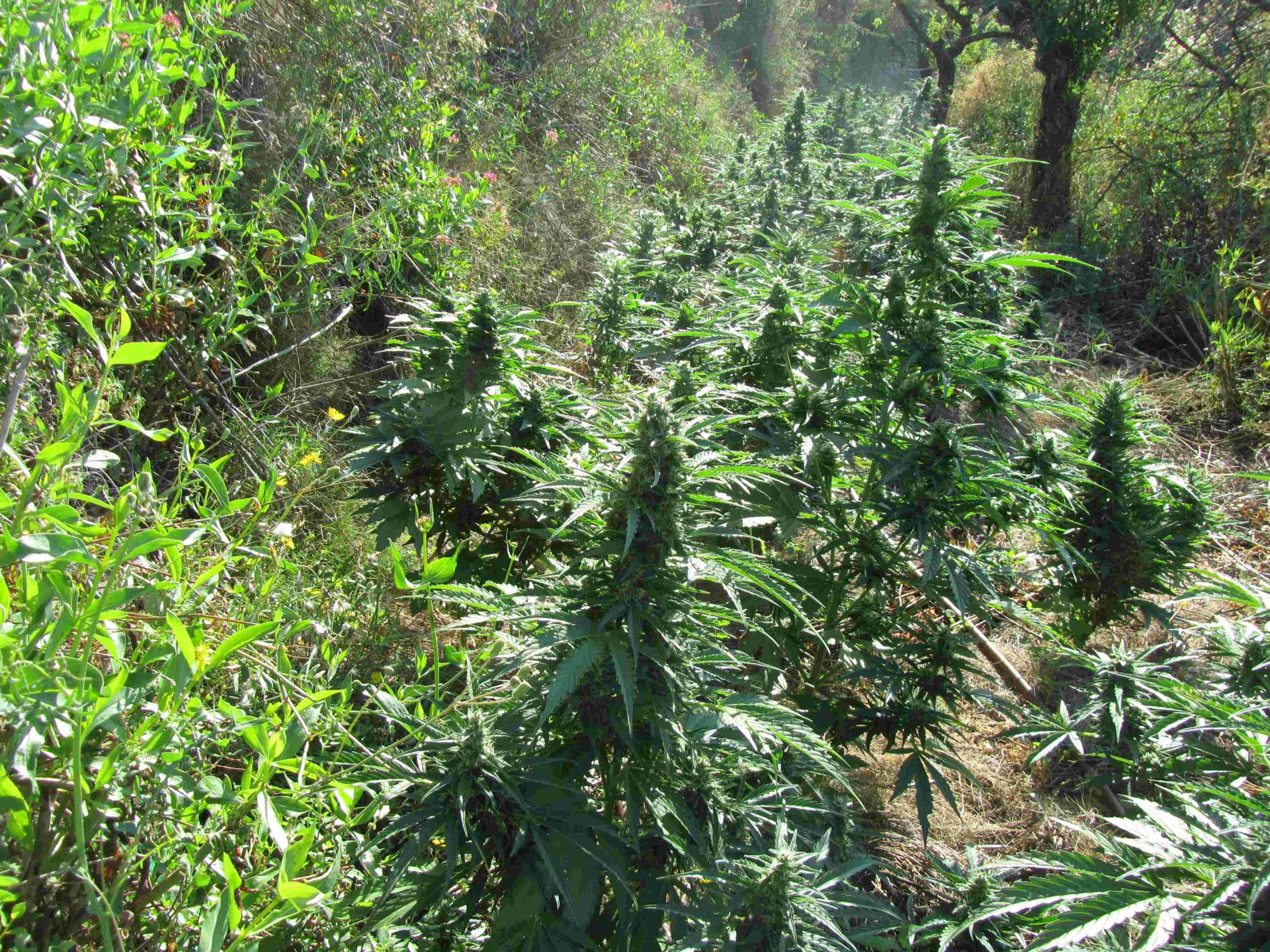
Outdoor cannabis flowering. Tips for a top-quality harvest
Outdoor cannabis flowering is one of the stages most eagerly awaited by growers. During this period, the plant focuses all its energy on forming dense, aromatic and resin-laden cannabis buds. If you’re looking for a quality harvest, the first step is to buy high-quality cannabis seeds from reputable seed banks and bear in mind the following tips for producing stunning buds.
When does outdoor cannabis flowering begin?
Outdoor cannabis flowering depends on the type of plant:
- Natural start: They generally begin outdoor cannabis flowering in late summer, when the photoperiod is reduced to 12–14 hours of light per day.
- Duration: Between 6 and 10 weeks, depending on the genetics.
Autoflowering plants
- Quick start: They flower automatically between 3 and 5 weeks after germination.
- Outdoor advantage: They allow for several staggered harvests throughout the summer.

Essential care during outdoor cannabis flowering
To maximise outdoor cannabis bud production, follow these tips:
Choose hardy strains
Always opt for quality cannabis seeds. Take a look at the heat-resistant strains.
Plan your sowing
Autoflowers in spring and photoperiod strains in summer.
Daily check
Look for signs of pests, fungi or nutrient deficiencies.
Don’t move the plants
Stress affects the development of the cannabis buds.
Specific Nutrients
Increase phosphorus and potassium. Switch from a growth fertiliser to a flowering-specific one.
Humidity Control
Maintain a relative humidity of between 40 and 50% to prevent fungus.
Moderate Watering
Avoid waterlogging the growing medium; the roots need oxygen.
Selective Pruning
Remove large leaves that block light from reaching the cannabis buds, but do not prune excessively.
Common Mistakes During Flowering
- Excess fertiliser: This can burn the roots.
- Pruning too late: This slows down the growth of the cannabis buds.
- Harvesting too early: Wait until the trichomes are at their peak.
How to Speed Up Outdoor Cannabis Flowering?
In Photoperiod Plants
- Light control: Reducing light hours with blackout sheets can bring forward flowering.
- Avoid stress: Do not repot or prune aggressively at this stage.
- Use stimulators: Products containing algae, amino acids or humic acids can accelerate the appearance of pistils.
In Autoflowering Plants
Their cycle cannot be accelerated, but a well-aerated substrate and suitable nutrients optimise their development.
When Do Cannabis Buds Bulk Up the Most?
The maximum bulking of cannabis buds occurs in the final weeks of outdoor flowering:
- Weeks 5–7: Visible bulking begins.
- Weeks 7–9: Peak resin production.
- Final week: Trichomes ready for harvest.
Main Pests During Flowering
Caterpillars
- Damage: They burrow into the buds, eating them from the inside and causing rot.
- Detection: Presence of black droppings or holes in the calyxes.
Red Spider Mites
- Damage: Suck the sap, weakening the plant and causing the leaves to turn yellow. Common in hot, dry climates.
- Detection: Yellow spots on leaves and fine webs.
Thrips and Aphids
- Damage: Minor during flowering, but they can transmit viruses and weaken the plant.
- Detection: Small insects on the underside of leaves and silvery marks.
Fungi (Botrytis and Powdery Mildew)
- Damage: Botrytis (grey mould) is the number one enemy of dense buds. Powdery mildew is less common in late flowering, but possible if humidity is high.
Pest Prevention During Outdoor Cannabis Flowering
Prevention is key to protecting your cannabis buds during the flowering stage of outdoor cannabis cultivation:
Humidity Control and Ventilation
- Keep humidity between 40–50% to prevent fungi.
- Place plants in areas with good air circulation.
Daily Inspection
- Inspect leaves and buds daily, especially after rain or sudden changes in temperature.
Selective Pruning
- Remove large leaves that block airflow, but avoid aggressive pruning during flowering.
Use of Biological Preventatives
- Bacillus thuringiensis (for caterpillars).
- Neem oil (only in the first few weeks of flowering, never close to harvest).
- Natural predators such as ladybirds (against aphids).
3. Treatments During Flowering
If pests are already present, act quickly and safely to avoid contaminating the cannabis buds:
For Caterpillars
- Spray Bacillus thuringiensis at dusk. It is harmless to humans and breaks down quickly.
For Red Spider Mites and Thrips
- Use potassium soap or garlic/nettle extracts in the first few weeks of flowering.
- If the infestation is severe and the buds have formed, remove the affected leaves by hand.
For Botrytis
- Remove infected buds immediately to prevent the spread.
- Increase ventilation and reduce humidity.
Avoid chemical pesticides at this stage, as they can leave toxic residues on the cannabis buds.
Buying Cannabis Seeds: The Key to Success
To achieve a bountiful, high-quality outdoor cannabis flowering, the first step is to buy cannabis seeds from reliable seed banks. Good genetics determine the size, density and aroma of the cannabis buds.